Most of us learned anatomy as a list: this muscle, from here to there, doing this. It's a useful map. But anyone who has spent time at a dissection table knows the body doesn't arrive in pieces. It arrives whole, and the job of separating it into parts is something we do to it.
The problem with parts
Traditional dissection is built around cleaning structures. Fascia is removed so muscles, nerves and vessels can be seen clearly and named. That approach has taught generations of clinicians a great deal, but it also hides the tissue that connects everything else.
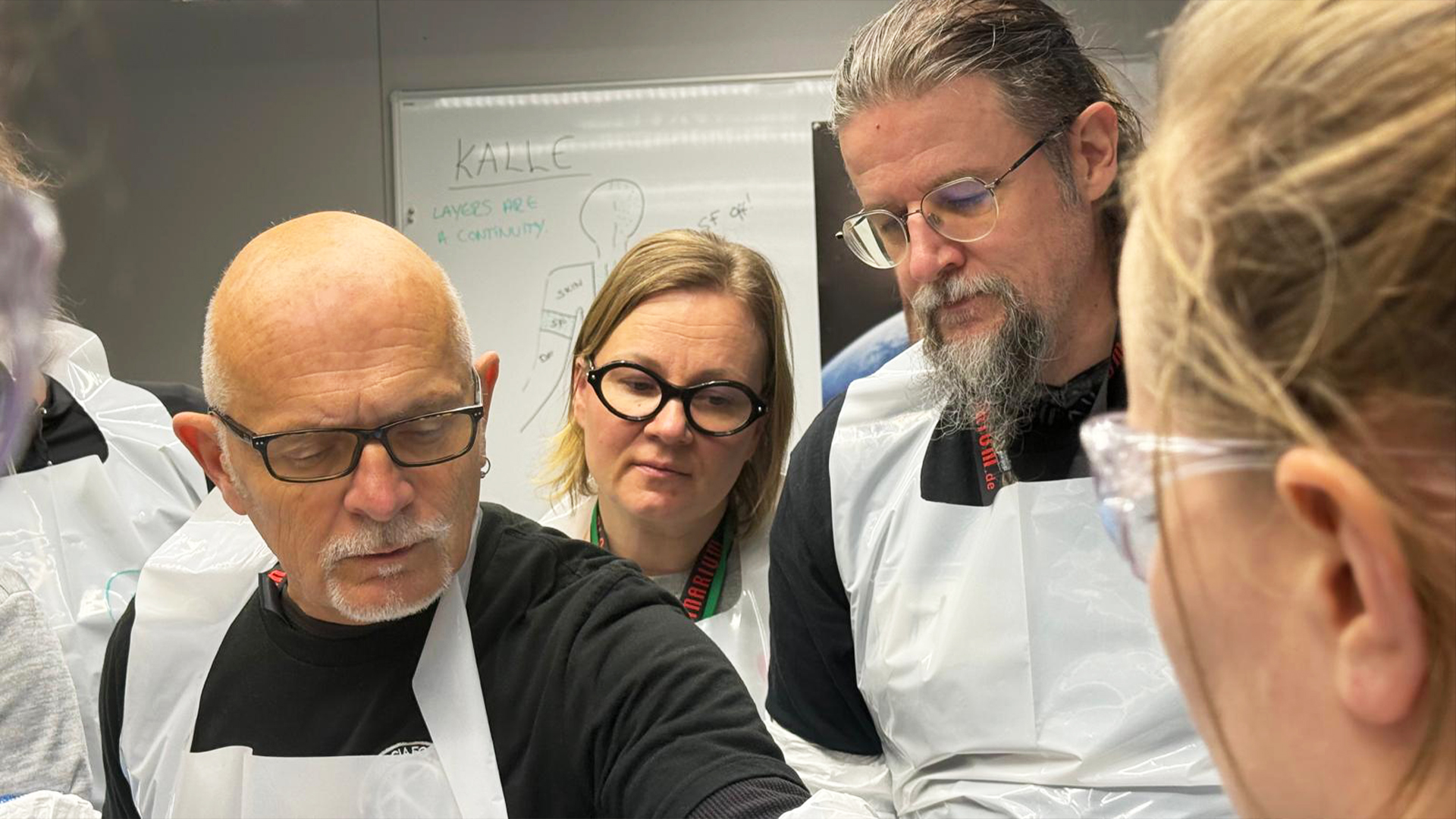
A fascia-focused dissection works the other way round. Instead of clearing tissue away, we follow it. We look at where one structure becomes another, how layers glide or bind, and how force might travel from one region to the next.
What changes when you follow the tissue
- Boundaries soften. The neat edges in textbook illustrations become transitions rather than walls.
- Regions connect. The foot, the pelvis and the shoulder stop feeling like separate chapters.
- Movement makes more sense. Patterns you see in practice start to have a visible, physical basis.
From the lab to the studio
For movement teachers, bodyworkers and therapists, the value of this isn't academic. Seeing continuity in tissue changes how you watch a client move, where you place your hands, and what you think a cue is actually doing.
You can read about continuity for years. Seeing it with your own eyes, in real tissue, is a different kind of knowing.
Placeholder quote — Course Leader
Questions to take back into practice
- Where in this movement is load being shared, rather than carried by one structure?
- What might be restricting glide between layers here?
- If I change one region, what else is likely to respond?
FR:EIA and a new way of seeing
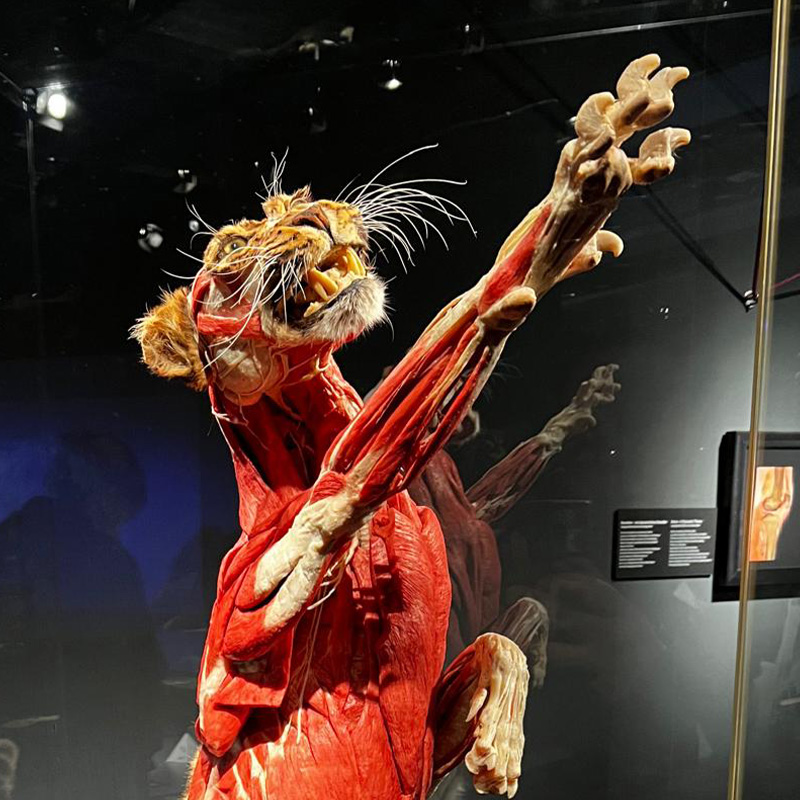
The creation of FR:EIA, the first fascia-focused human plastinate, was an attempt to make this continuity visible to everyone, not just those who can spend time in a dissection lab. Our courses build on the same idea, giving practitioners the chance to see and handle it for themselves.
If you'd like to explore this in person, see our upcoming labs or read more about the experience.