About Fascia Anatomy Labs
Small-group, fascia-focused dissection workshops held at one of the world’s most extraordinary anatomical learning environments.
Fascia Anatomy Labs offers small-group, fascia-focused dissection workshops held at the Plastinarium in Guben, home of the world-renowned BODYWORLDS exhibitions. Led by Gary Carter and Jihan Adem, the work brings together anatomical study, direct dissection, movement-based enquiry, and close discussion in a way that is both rigorous and deeply integrative. Developed through years of work in and around the dissection lab, and shaped by close involvement in the creation of FR:EIA, these labs reflect a serious and long-standing commitment to anatomy, fascia, and embodied understanding.

Jihan Adem
Fascia anatomy specialist, lead dissector, and educator
Jihan Adem has worked in and around the dissection lab for many years, bringing together hands-on anatomical study, fascia-focused enquiry, and a long-standing background in bodywork and teaching. Originally trained as a bodywork therapist, her early experiences of human tissue exploration led to a much deeper engagement with anatomy and dissection, and have continued to shape her work ever since.
Alongside her clinical practice in South Devon, Jihan has taught Bowen, anatomy, and related health studies across the UK and Europe, delivering more than 200 courses over the course of her teaching career. In 2017 she founded Bowen College UK, an independent college dedicated to raising standards in Bowen therapy education.
From 2017 to 2020, Jihan was part of the Fascial Net Plastination Project at the Plastinarium in Guben, Germany, contributing to the creation of FR:EIA, the world’s first fascia-focused human body plastinate. Her work at Fascia Anatomy Labs grows out of this long-developed commitment to anatomy, fascia, and the careful translation of lab-based insight into meaningful professional practice.
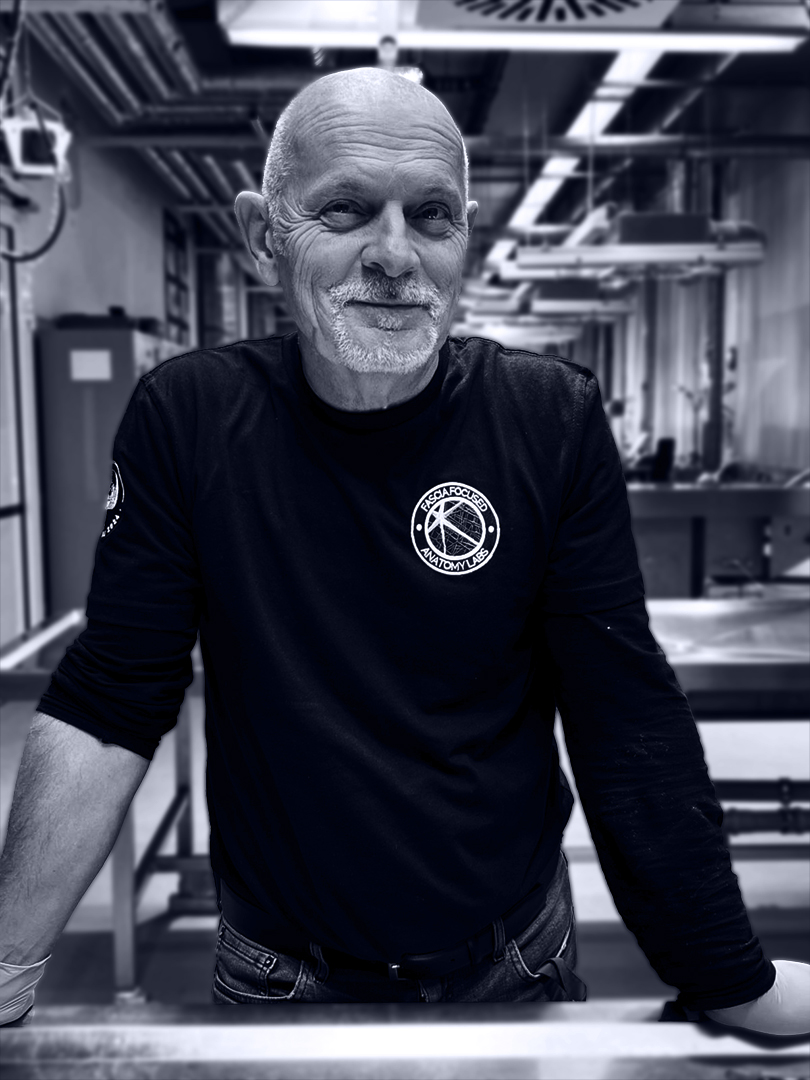
Gary Carter
Movement educator, fascia-focused dissector, and lead faculty
Gary Carter brings more than 30 years of experience in movement education, anatomical study, and bodywork practice. His background spans athletics, cycling, bodybuilding, martial arts, yoga, and manual therapies, all of which inform the distinctive way he teaches anatomy, movement, and fascia in relation to one another.
Over the past three decades, Gary has taught widely across movement, fascia, and anatomical education, including lecturing in movement anatomy and fascial anatomy for yoga and Pilates teacher trainings, massage schools, hospital physiotherapists, dance, and martial arts settings. He hosted Tom Myers for the early Anatomy Trains courses in the UK and later co-taught with him in both the UK and USA.
Gary studied dissection with Todd Garcia in Vienna and with Gil Hedley, and more recently was Lead Designer and co-Dissector for the Fascial Net Plastination Project on FR:EIA, the first fascia-focused plastinated human body, created in collaboration with the Plastinarium in Germany. His work through Fascia Anatomy Labs reflects a long-developed commitment to helping practitioners see the body with greater continuity, intelligence, and depth.
Gary Carter
Movement educator, fascia-focused dissector, and lead faculty
Gary Carter brings more than 30 years of experience in movement education, anatomical study, and bodywork practice. His background spans athletics, cycling, bodybuilding, martial arts, yoga, and manual therapies, all of which inform the distinctive way he teaches anatomy, movement, and fascia in relation to one another.
Over the past three decades, Gary has taught widely across movement, fascia, and anatomical education, including lecturing in movement anatomy and fascial anatomy for yoga and Pilates teacher trainings, massage schools, hospital physiotherapists, dance, and martial arts settings. He hosted Tom Myers for the early Anatomy Trains courses in the UK and later co-taught with him in both the UK and USA.
Gary studied dissection with Todd Garcia in Vienna and with Gil Hedley, and more recently was Lead Designer and co-Dissector for the Fascial Net Plastination Project on FR:EIA, the first fascia-focused plastinated human body, created in collaboration with the Plastinarium in Germany. His work through Fascia Anatomy Labs reflects a long-developed commitment to helping practitioners see the body with greater continuity, intelligence, and depth.
A wider anatomical context
Fascia Anatomy Labs emerges out of many years of work in and around the dissection lab, and is closely connected to the wider anatomical work of the Fascial Net Plastination Project at the Plastinarium in Guben. Through that project, Gary Carter and Jihan Adem contributed to the creation of FR:EIA — Fascia Revealed: Educating Interconnected Anatomy — the world’s first fascia-focused human body plastinate.
That work forms part of a broader effort to bring the fascial system more clearly into view within anatomical education. While fascia has often been overlooked or treated as secondary to other structures, its continuity through the body offers a profoundly important perspective on relationship, support, movement, and function. FFAL’s teaching is rooted in that wider context: not only in the study of isolated parts, but in a way of seeing the body as an interconnected whole.
Held at the Plastinarium, in the same extraordinary environment that made FR:EIA possible, these labs sit within a lineage of anatomical exploration that is both historical and evolving. What FFAL offers is not simply access to dissection, but participation in a more integrative way of studying human structure — one that brings anatomy, fascia, and embodied understanding into closer relationship.
Collaborators and guest faculty
Alongside its core teaching team, Fascia Anatomy Labs works with a wider network of guest faculty and collaborators whose expertise helps shape the focus of individual labs. Depending on the course theme, this may include practitioners, educators, and specialists working across fascia, movement, breath, perception, and facial practice.
Recent and upcoming collaborators include:

Fiona Harlowe
Facialist and specialist in facial fascia and ageing.
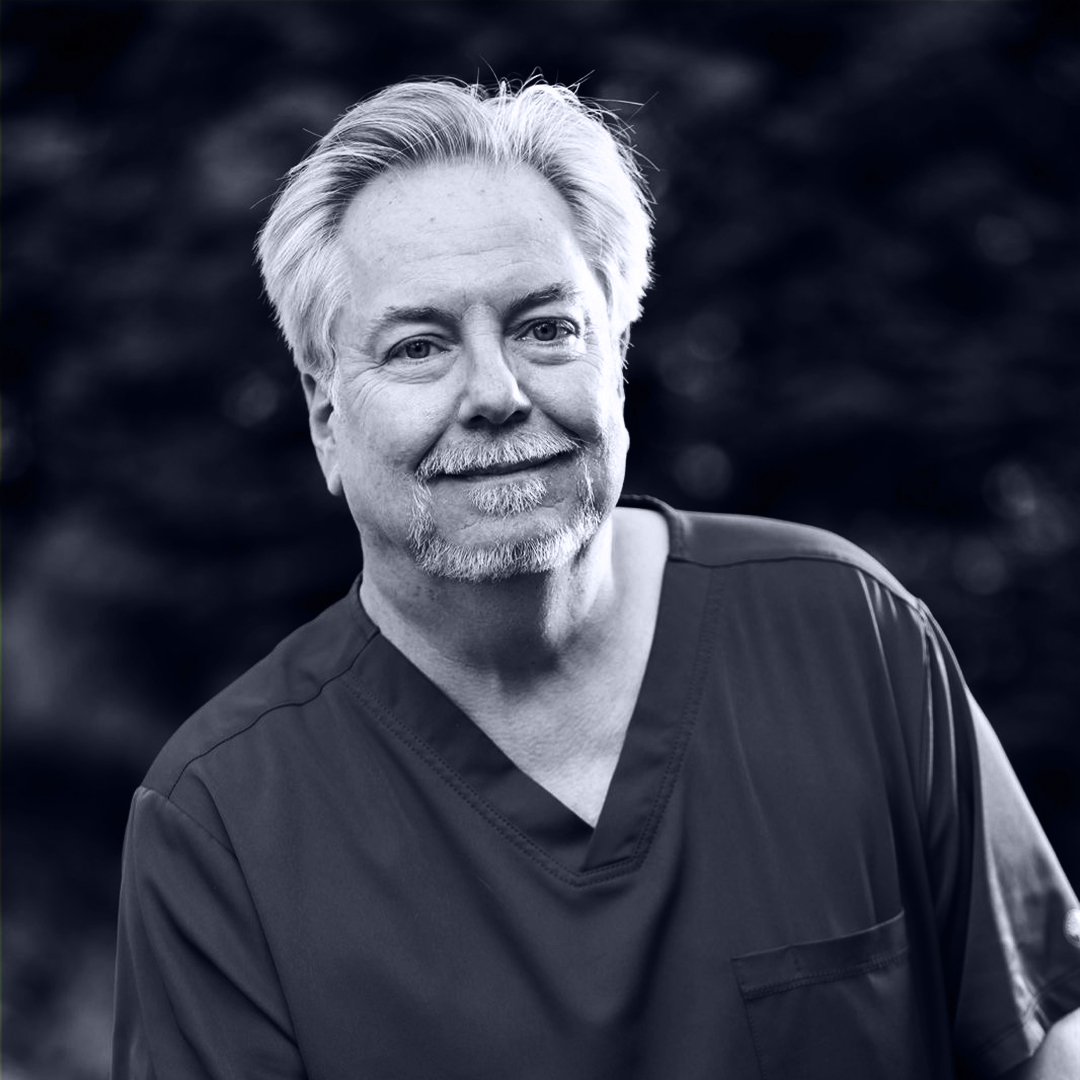
David Lesondak
Author, fascia educator, and host of the BodyTalk podcast.
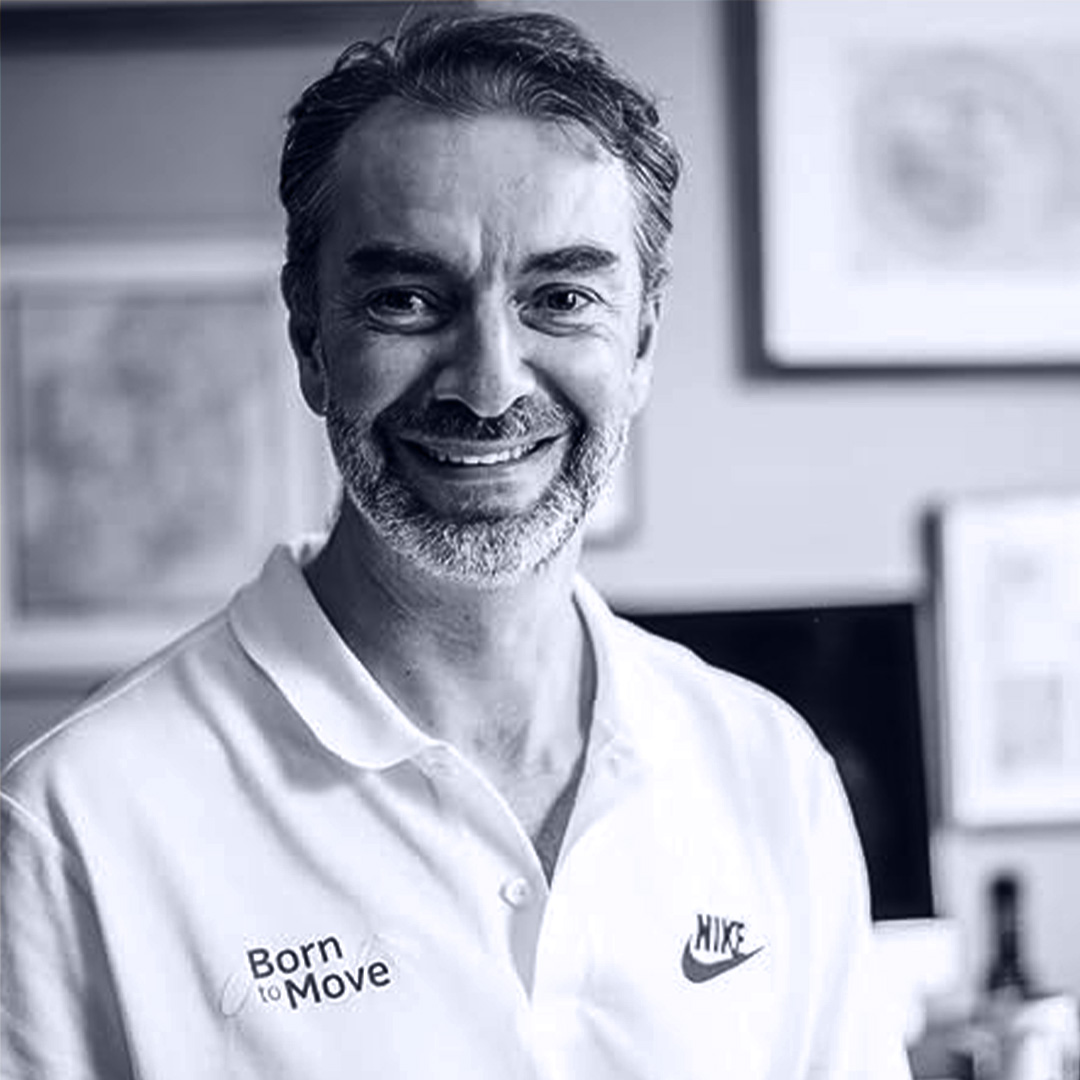
James Earls
Author, fascia educator, and host of the BodyTalk podcast.
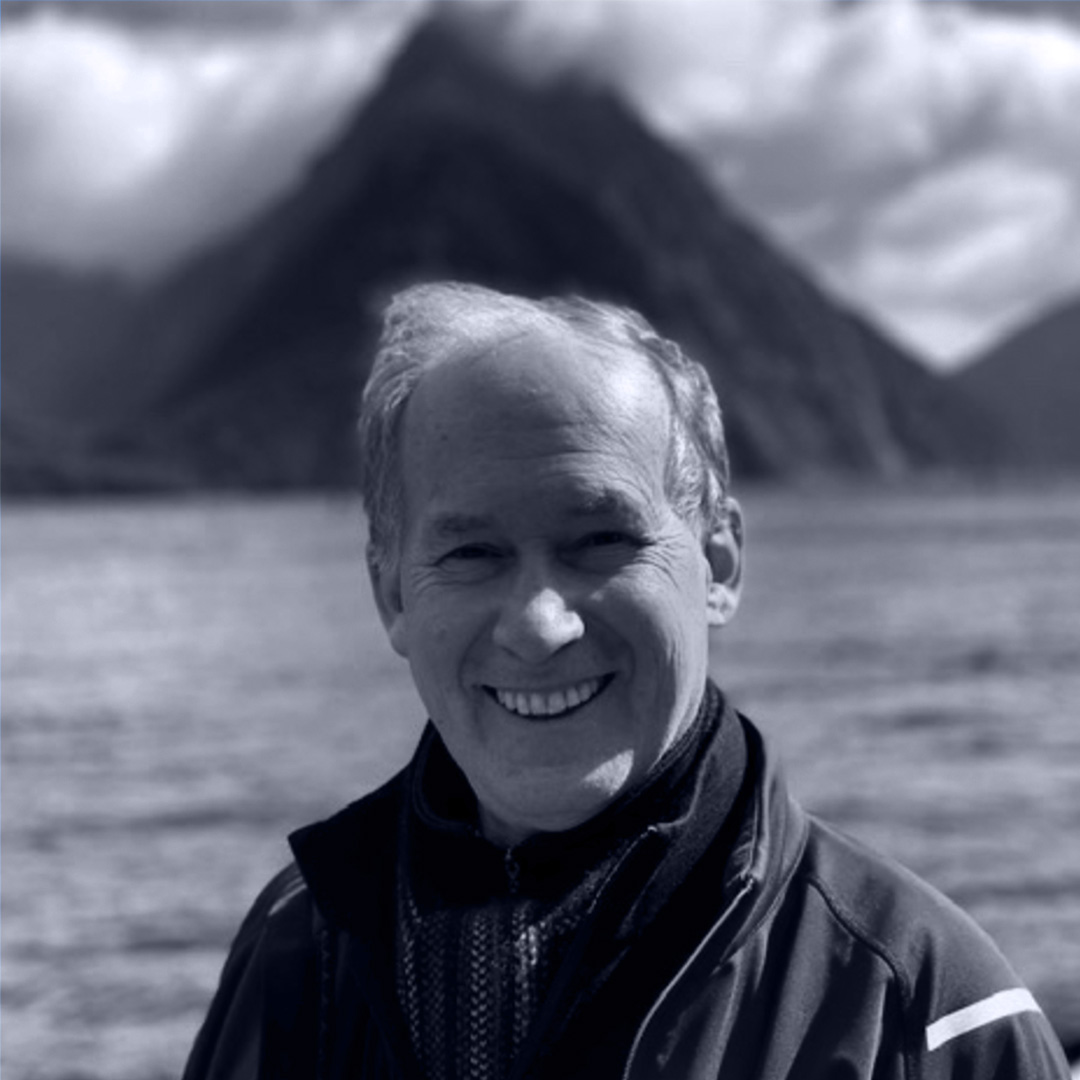
Peter Grunwald
Founder of EyeBody, working at the intersection of anatomy, movement, and perception.
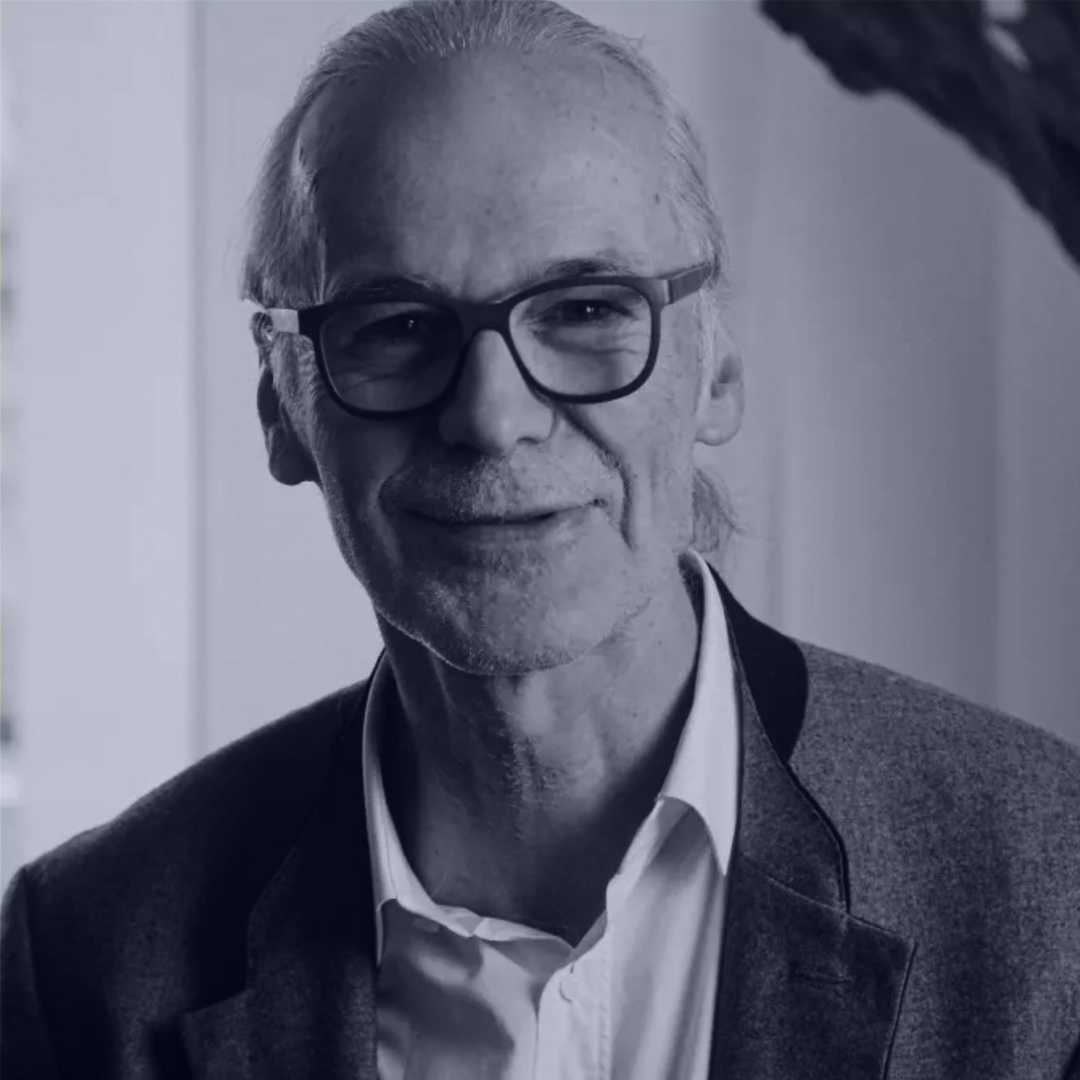
Robert Schleip
Fascia researcher and Professor at the Technical University of Munich.
Collaborators and guest faculty
Alongside its core teaching team, Fascia Anatomy Labs works with a wider network of guest faculty and collaborators whose expertise helps shape the focus of individual labs. Depending on the course theme, this may include practitioners, educators, and specialists working across fascia, movement, breath, perception, and facial practice.
Recent and upcoming collaborators include:
Fiona Harlowe
Facialist and specialist in facial fascia and ageing.
David Lesondak
Author, fascia educator, and host of the BodyTalk podcast.
James Earls
Author, fascia educator, and host of the BodyTalk podcast.
Peter Grunwald
Founder of EyeBody, working at the intersection of anatomy, movement, and perception.
Robert Schleip
Fascia researcher and Professor at the Technical University of Munich.
How the work is held
At Fascia Anatomy Labs, anatomy is approached with care, seriousness, and respect for the integrity of the human body. The work is guided by a fascia-focused perspective that brings continuity, relationship, and whole-body function into clearer view, while remaining grounded in direct observation and hands-on enquiry.
The labs are intentionally small and carefully held, allowing for close guidance, meaningful discussion, and a depth of attention that would be difficult to achieve at a larger scale. Throughout, the emphasis is not only on what is seen in the lab, but on how that understanding can be integrated into movement, bodywork, and clinical practice with greater clarity and sensitivity.
Ready to explore further?
Explore current and upcoming labs, or begin the application process to register your interest.