At The Plastinarium
A world-class setting for fascia-focused anatomical study
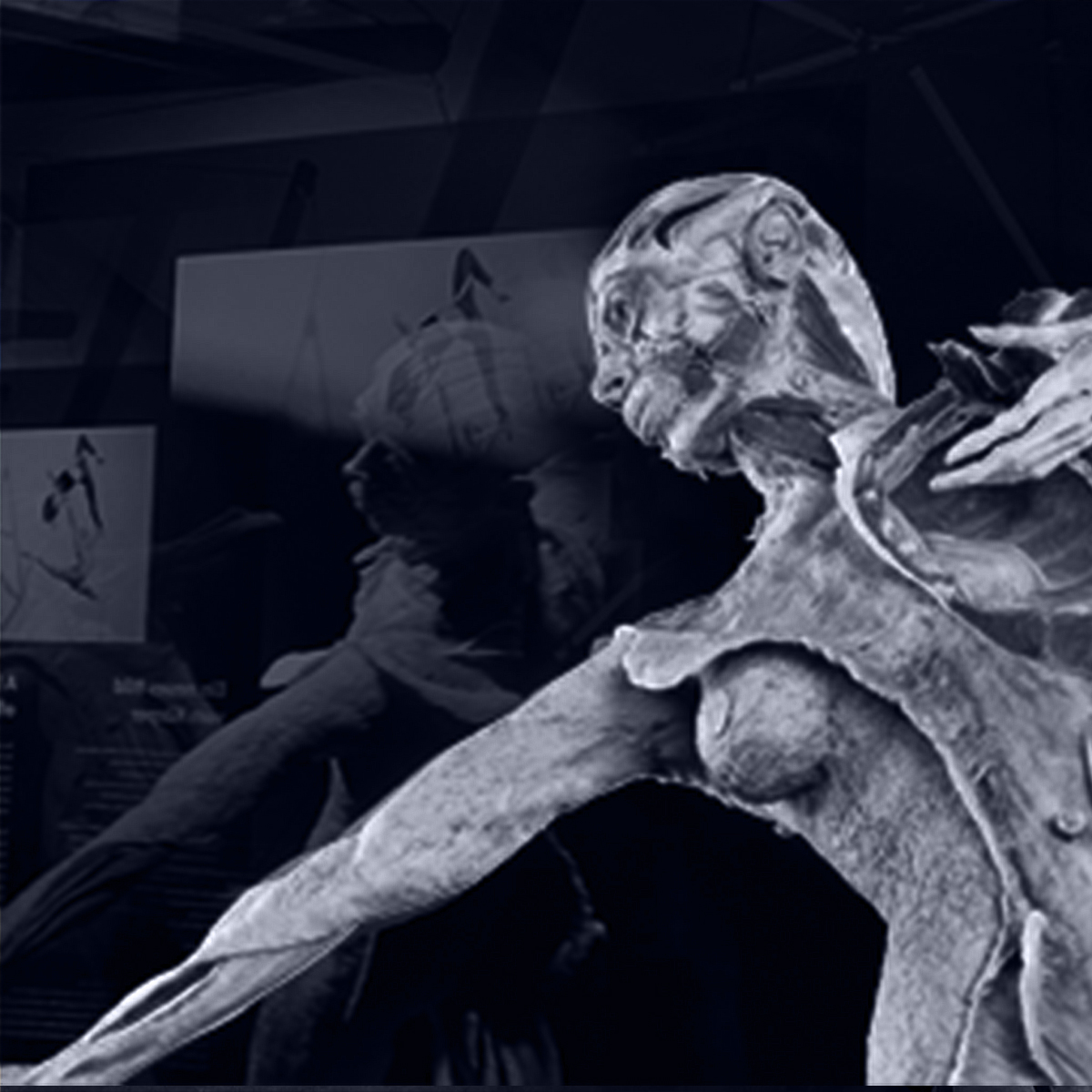
The Plastinarium in Guben is unlike any other learning environment in the world. Founded by Dr Gunther von Hagens, inventor of plastination and creator of the internationally renowned BODY WORLDS exhibitions, it brings together anatomical museum, research facility, and working plastination laboratory in one extraordinary site.
For participants of Fascia Anatomy Labs, this is far more than the setting for the week. It is part of what makes the experience so rare: a place of close observation, serious enquiry, and direct encounter with human structure, held within one of the most remarkable centres of anatomical study anywhere in the world.
The week begins in Berlin
A private introduction to BODY WORLDS and FR:EIA
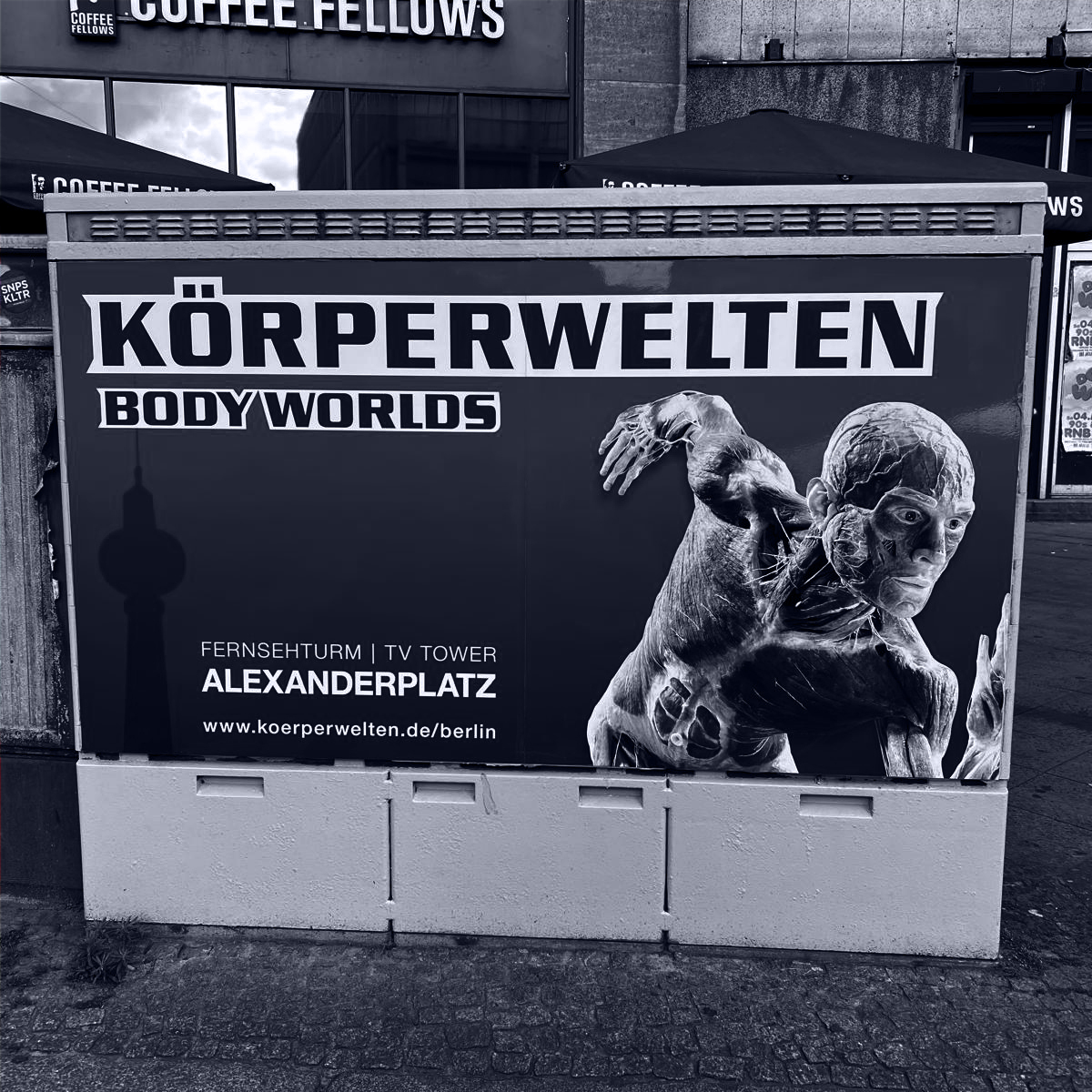
For most of our courses, the week begins in Berlin, where the group meets outside the BODY WORLDS museum before travelling on together to Guben. This first meeting point is intentional. Rather than arriving straight into the lab, you will begin with a shared introduction to the wider anatomical context of the work.
The day starts with a private tour of BODY WORLDS, guided by Gary Carter and Jihan Adem, and ends with an insider introduction to FR:EIA, the world’s first fascia-focused human plastinate. Because Gary and Jihan were closely involved in her creation, this part of the experience offers something few visitors would otherwise encounter: a direct account of what it took to bring a fascia-focused plastinated body into existence, and why that work matters.
Beginning in Berlin allows the week to open with perspective, context, and connection. It also reflects something central to the ethos of Fascia Anatomy Labs: that the journey into the work matters. Before you reach Guben, the Plastinarium, and the lab itself, the process has already begun.
Travelling to Guben together
From Berlin to the Plastinarium, guided every step of the way
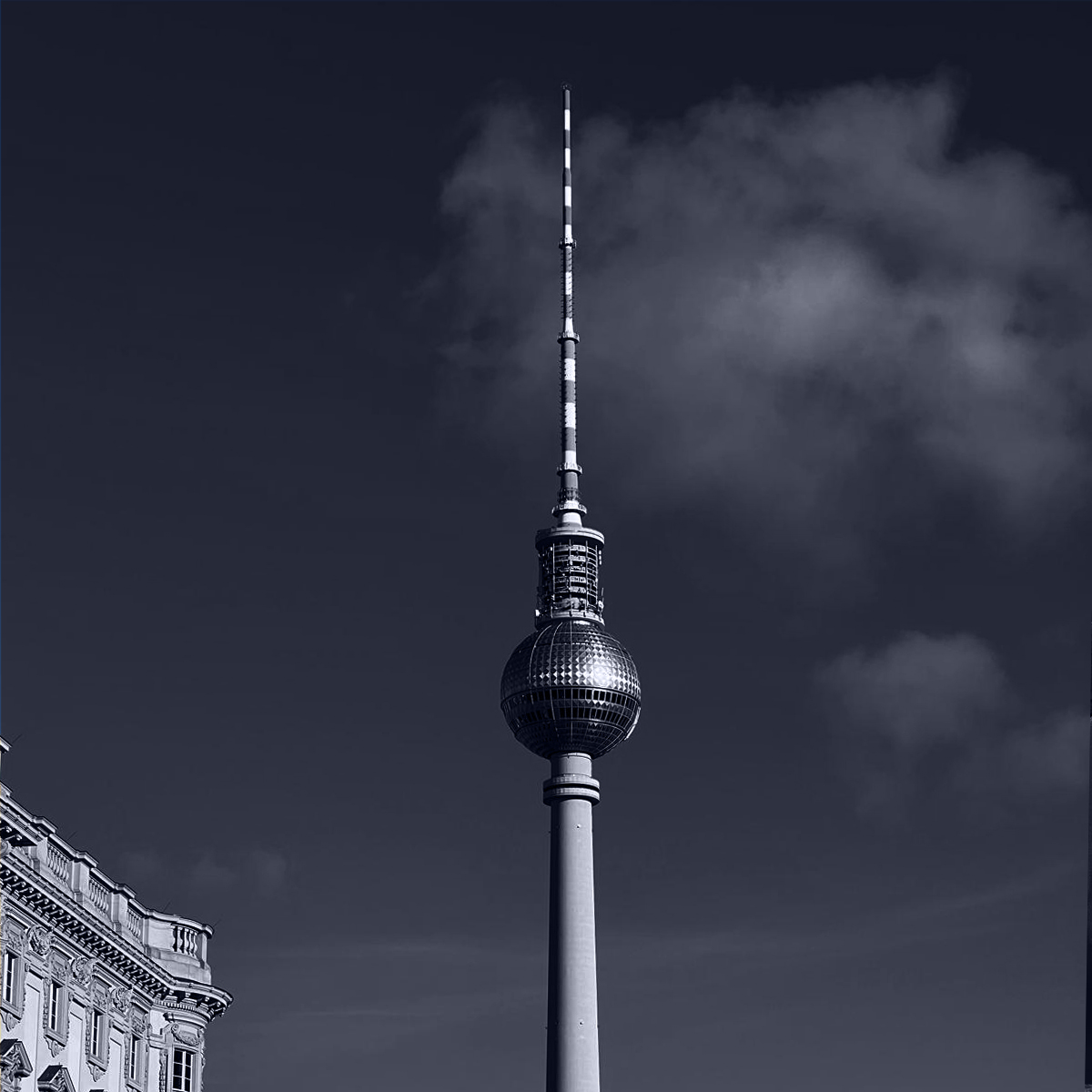
After the museum visit, the group travels on together to Guben. This is not simply a matter of being given an address and told where to arrive. Gary and Jihan guide participants through the journey itself, helping with train tickets, travelling alongside the group, and accompanying everyone all the way to the Plastinarium.
Guben sits on the German-Polish border, and reaching it is part of entering a very particular environment: quieter, more spacious, and far removed from the pace of a city. Travelling there together helps ease uncertainty, creates connection within the group, and allows the transition into the week to feel supported from the outset.
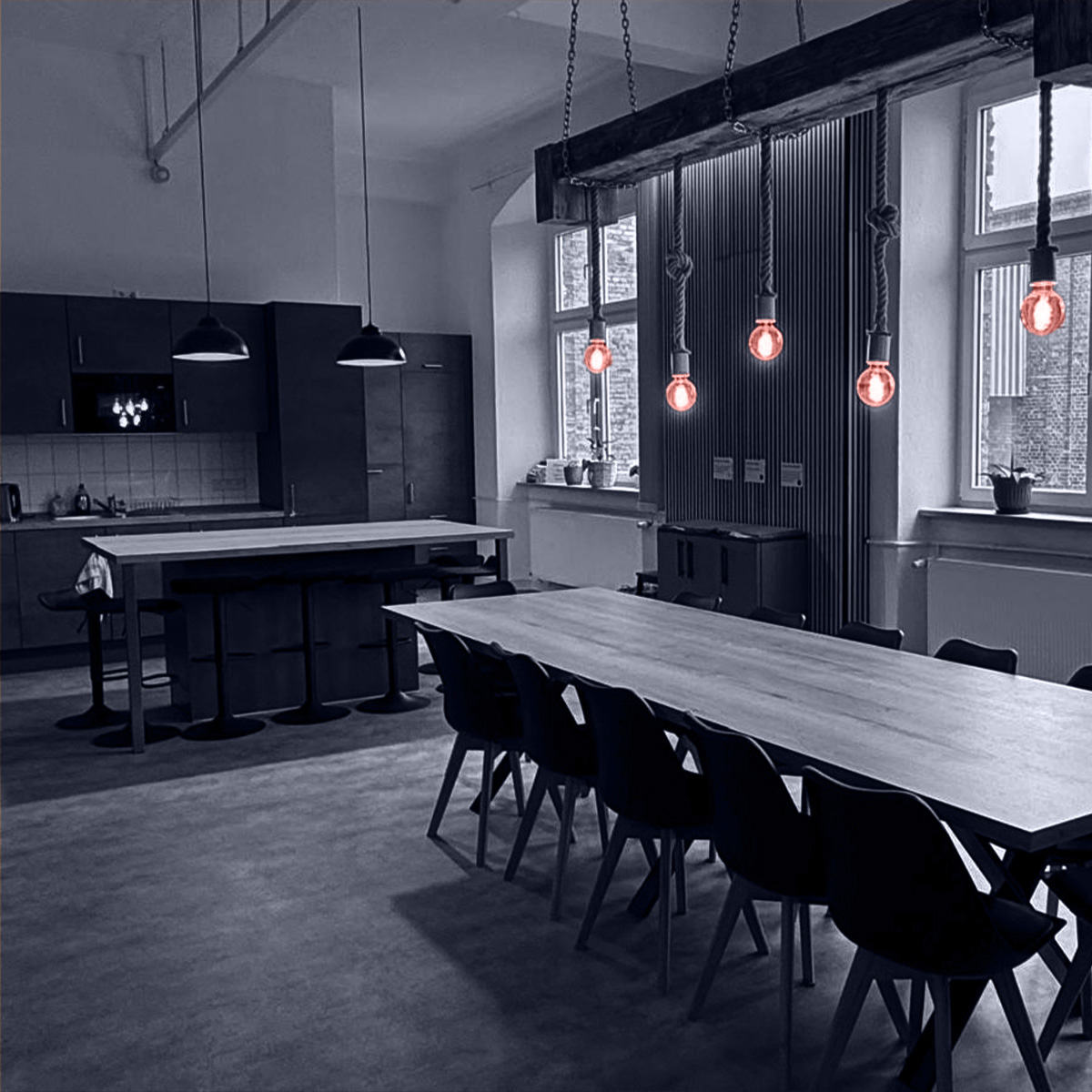
On arrival, you are shown to your room, given time to settle in, and welcomed properly into the rhythm of the week. Accommodation is onsite, either within the Plastinarium itself or in the adjacent guest house, which helps the group remain close to the work throughout the week. The first evening usually includes a shared meal at a local restaurant — a chance to land, meet the rest of the group more fully, and arrive at the work together before the course begins the following morning.
The rhythm of the week
No two groups follow exactly the same timetable. Each course has a clear structure, but the week remains responsive to the group, the course theme, and what emerges through the work itself.
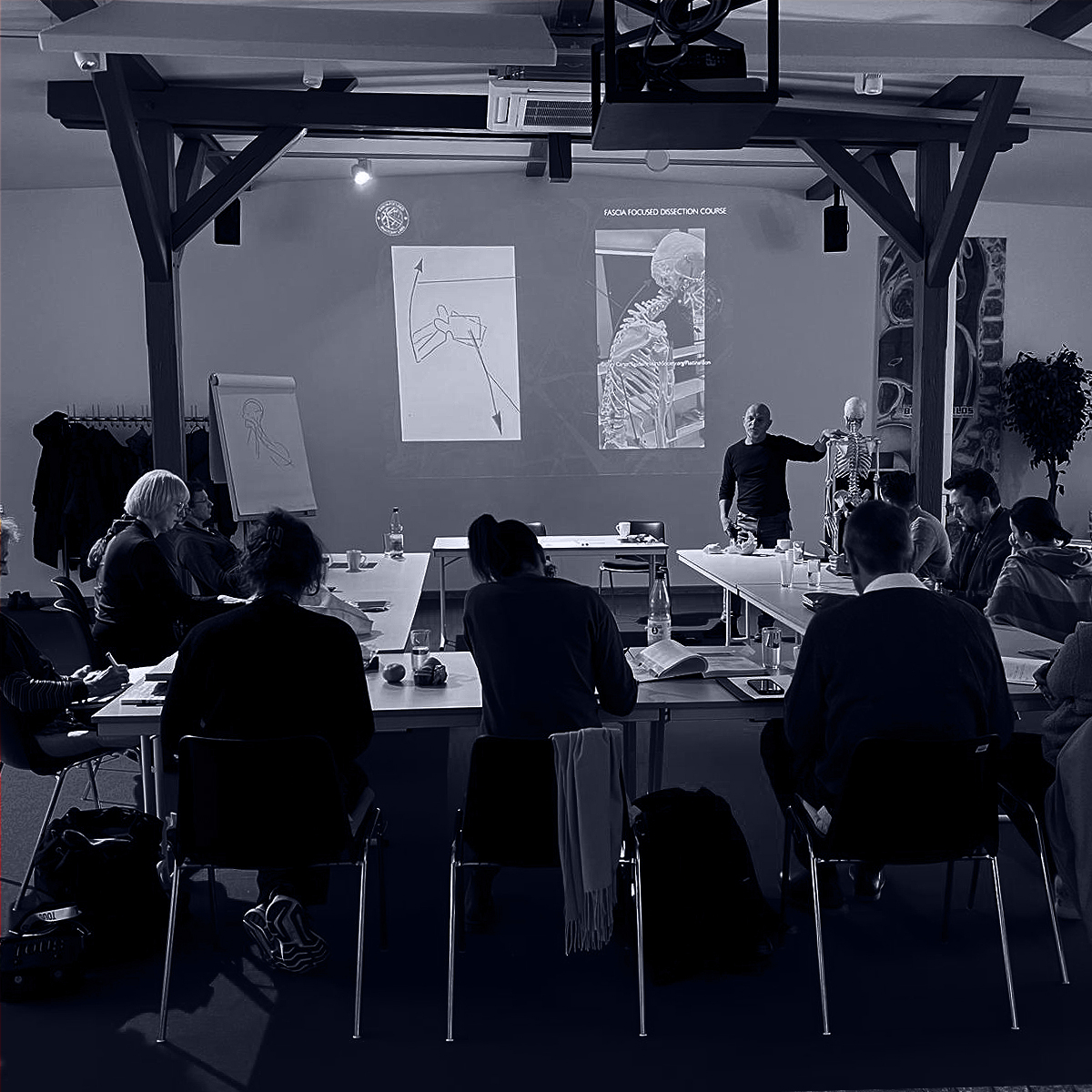
Across the week, your time moves between the dissection lab, anatomical lectures, discussion, and movement sessions. There is usually at least one lecture each day, often more, alongside sustained time in the lab and guided movement practices led by Gary Carter. These sessions are designed to help you embody what you are seeing and studying, so that the work is not only understood intellectually, but felt and integrated through direct experience.
Space to absorb and integrate
Most days run from around 8am to 5pm, creating a rhythm that is focused and immersive, while still leaving space in the evenings to rest, reflect, or spend time with the group more informally. Some evenings are shared over meals, while others are left open for quiet time, self-catering, or exploring the local area.
By the end of the week, participants have not only spent significant time in the lab, but have moved through a carefully held process of observation, enquiry, embodiment, and reflection. The final evening often includes a shared meal out as a group — a chance to consolidate the week’s learning, mark the experience together, and bring the course to a close.
Inside the lab
Professional, well-held, and unlike anywhere else in the world.
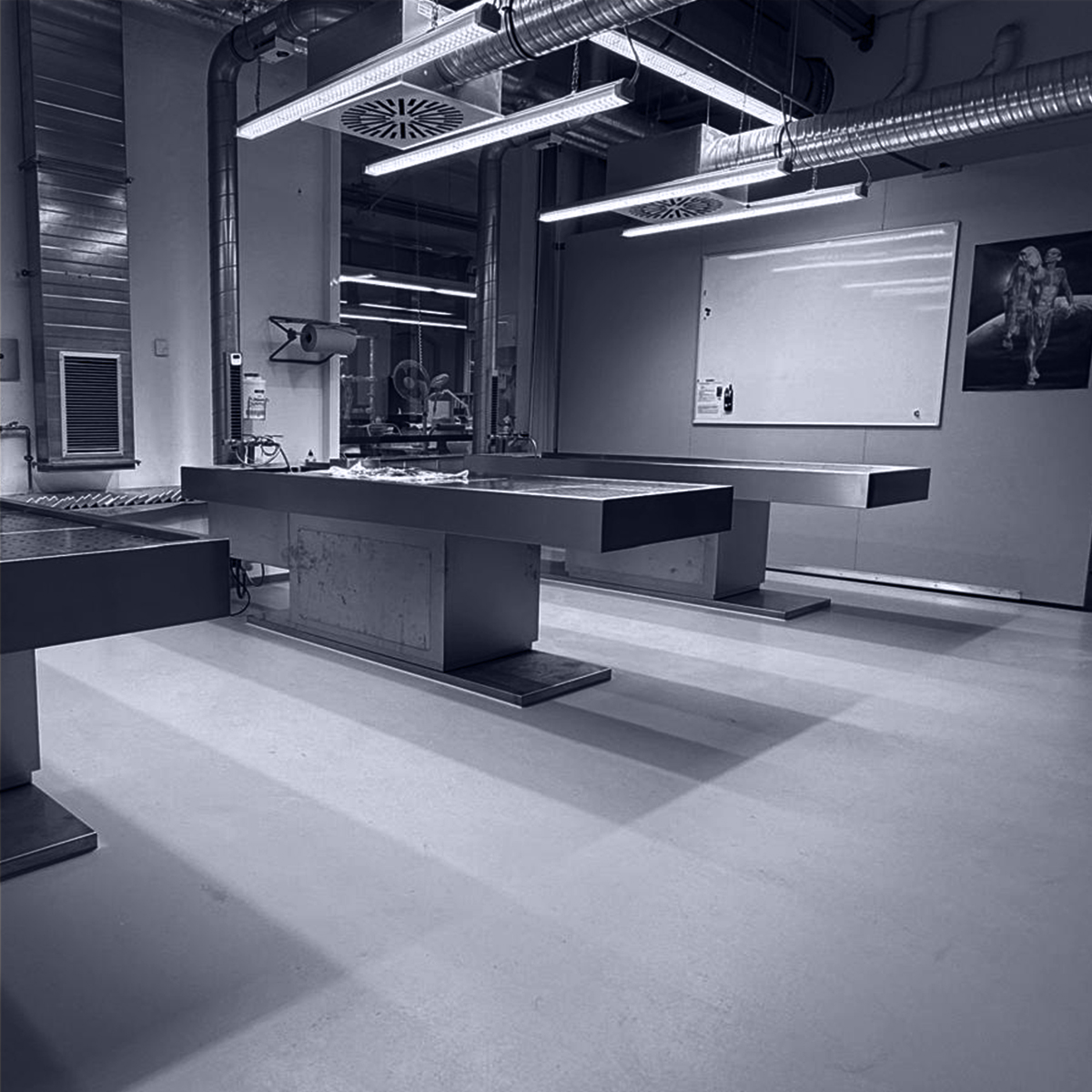
The Plastinarium offers an exceptional environment for anatomical study. As the largest BODY WORLDS exhibition in the world with an anatomy lab at its heart, it provides a setting that is both highly professional and remarkably immersive.
For participants, this means access to a lab that is carefully maintained and designed to support sustained, focused learning. The space is kept at an ambient temperature, the ventilation is excellent, and the lab itself is managed to a very high standard, helping to create an experience that feels far more approachable and well held than many people expect.
Why this setting matters
Throughout the week, you are surrounded not only by the work happening within your own group, but by the wider anatomical environment of the Plastinarium itself: exhibition spaces, plastinated specimens, working laboratories, and an extraordinary concentration of anatomical knowledge under one roof.
This is part of what makes studying here so distinctive. The setting is not simply practical; it shapes the depth, seriousness, and quality of the experience.
The Plastinarium is not only the home of BODY WORLDS, but an active centre for anatomical education and specimen production used around the world. For Fascia Anatomy Labs, this creates an unusually rich context in which to study: one where fascia-focused enquiry sits within a wider culture of anatomical research, display, and technical skill.
There is nowhere else quite like it.
At a glance
- The week usually begins in Berlin before travelling on together to Guben
- Includes a private BODY WORLDS visit and introduction to FR:EIA
- Accommodation is onsite, either within the Plastinarium or in the adjacent guest house
- Most course days run from around 8am to 5pm
- Evenings offer space to rest, reflect, self-cater, or share meals with the group
- Full travel, accommodation, and course details are shared following a successful application